
Get Healthy!
- Posted June 3, 2026
Urine Test Can Detect Autism, Study Says
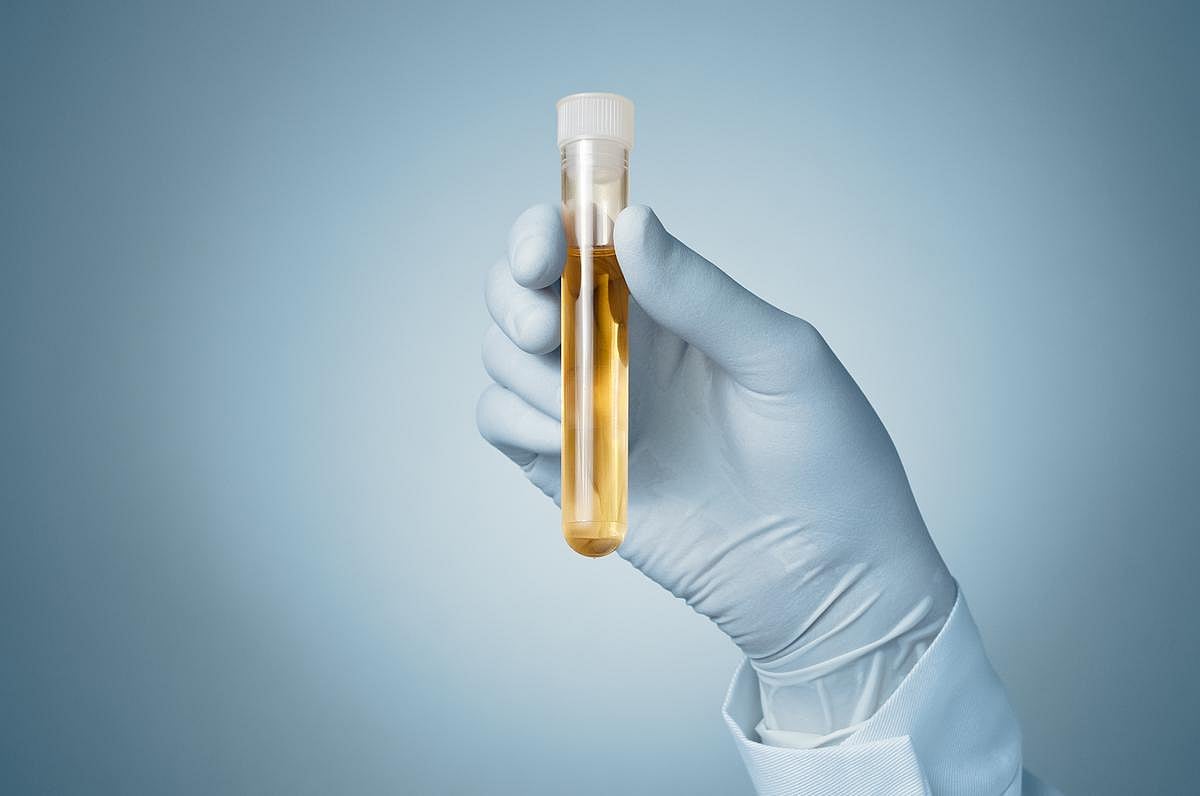
A simple urine test might help identify children who are likely to have autism earlier than the best assessment tools now available, a new study says.
Autistic children appear to have specific gut microbe profiles that can be used to distinguish them from neurotypical (or typically developing) children, researchers reported May 26 in the journal Molecular Psychiatry.
A urine test based on these profiles correctly identified 90% of autistic children and did not misidentify any children without autism, researchers found.
“What’s really striking about the bacteria is that they make metabolites that are basically altered versions of serotonin and dopamine,” said researcher James Adams, a professor of engineering at the Biodesign Center for Health Through Microbiomes at Arizona State University (ASU) in Tempe.
“These are two key neurotransmitters that affect mood, cognition and memory,” Adams said of serotonin and dopamine. “This could explain many of the symptoms and co-occurring symptoms in children with autism — their social communication, anxiety, depression and attention.”
Metabolites are chemicals produced by microbes in the gut. For the new study, researchers measured the concentration of metabolites in 52 children diagnosed with autism and a control group of 47 children who were developing typically.
Nearly all autistic children had at least one metabolite level that exceeded the highest observed among the control group, with some levels measuring 100 to 1,000 times higher.
On average, autistic kids had about three elevated metabolites, while typically developing children had none, researchers said.
These included metabolites of tyrosine, tryptophan and phenylalanine, which are amino acids involved in key neurotransmitter pathways, researchers said. Other compounds were connected to yeast and fungal activity in the gut.
“What we've discovered is that 80 to 90% of children with autism have extremely high levels of one or more microbially derived metabolites,” said lead researcher Christina Flynn, a recent doctoral graduate of ASU.
Using this information, researchers created a urine test that looks at 17 specific metabolites in children ages 2 to 11.
“Using this test will tell you which young children are at high risk for being diagnosed with autism, and guide treatment in those who have already been diagnosed to help them lead their best lives,” Flynn said in a news release.
Many families wait a long time to learn their child is autistic, given that current tests rely on observations of the child’s behavior. The earlier autism is diagnosed, the more quickly parents can support their child, researchers said.
“We hope there is a reduction in stigma and shame associated with the condition,” said Flynn, who is a parent of an autistic child.
“Sometimes diagnostic hesitancy happens because parents feel like they're not good enough parents and they're being judged,” she said. “But that's not the case because if we can detect it in urine, it's a biology-based condition. Hopefully, that will prevent any hesitancy on parents' parts to seek treatment and seek it as early as possible.”
Further testing is needed to make sure the urine test works, researchers noted.
“For many families, one of the biggest challenges is the waiting — the not knowing,” Flynn said. “If this test shortens that gap, even by a little, that’s meaningful because earlier intervention can really help.”
These results might do more than help identify kids who are autistic, as they show a potential target for treatment, researchers said. Therapies that influence gut microbes – such as fecal transplant — might help support them.
“We think reducing the levels of these metabolites may help these children lead healthier and happier lives, and we encourage children to be screened sooner to receive earlier interventions,” Adams said.
More information
The Autism Self-Advocacy Network has more on autism.
SOURCE: Arizona State University, news release, May 26, 2026


